

Live Dealer Blackjack Casino Guide
🎲 Experience live dealer blackjack with real-time action! Learn how it works, tech behind it, top platforms, and tips to boost your game & winning chances!🃏
Edited By
Oliver Smith
Live dealer casino software bridges the gap between virtual gaming and the excitement of real-world casinos. Unlike standard online casino games that use random number generators (RNGs), live dealer platforms stream real-time games from studios or land-based casinos. This setup gives players a chance to interact with live dealers and other participants, making the experience far more immersive.
At the core, this software integrates video streaming technology, real-time data processing, and interactive betting interfaces. Players can place bets via a digital interface while watching the dealer shuffle cards, spin roulette wheels, or deal blackjack hands live. The software then transmits each action promptly back to the players, ensuring smooth gameplay without lag.

Leading providers like Evolution Gaming, Playtech, and Authentic Gaming dominate this space. Each offers distinct features: Evolution is known for its wide range of games and high-quality streams, Playtech focuses on innovative interfaces, while Authentic Gaming excels in live roulette streamed from actual casinos worldwide. These companies invest heavily in hardware setups — multiple cameras, optical character recognition (OCR) tech to track cards, and professional dealers trained on camera — to maintain fairness and transparency.
From a player experience viewpoint, live dealer software adds a social layer missing from traditional online casinos. You’re not just clicking buttons; you can chat with dealers, observe their gestures, and get a feel for the game's pace. This interaction builds trust, especially for high-stakes gamblers or those skeptical about RNG-based games.
In addition to enhancing engagement, live dealer games tend to offer favorable odds compared to virtual games, attracting seasoned players. They also support mobile devices, so you can catch a live baccarat game during your commute or a quick blackjack session from your couch.
The bottom line is that live dealer casino software isn't just another casino game option; it recreates that authentic casino vibe online, combining tech, trust, and real-time interaction.
Real-time HD video streaming with professional dealers
Interactive betting controls synchronized with live action
Multi-camera angles capturing every move
Optical Character Recognition (OCR) to ensure game integrity
Chat functions for dealer-player communication
Support for mobile phones and tablets
Understanding these essentials sets the stage for exploring specific providers, technical innovations, and how live dealer setups affect player behaviors and preferences.
Understanding how live dealer casino software operates is key to grasping its role in delivering a smooth and immersive online gaming experience. This software bridges the gap between traditional casinos and online platforms, combining real-time human interaction with advanced technology. It ensures players can enjoy their favorite games with live dealers via streaming, while the system manages game logic, bets, and results instantly and securely.
At the heart of live dealer software is high-quality video streaming. Casinos use multiple high-definition cameras strategically placed around the gaming table to capture every detail—from the dealer’s card shuffle to chip movements. This setup needs stable, low-latency streaming to keep the action fluid and avoid hiccups that could break immersion. For instance, Evolution Gaming streams in Full HD to players worldwide through dedicated data centers, ensuring that video isn’t just clear but also promptly delivered.
This part is like the nervous system of the game. When a player places a bet, the software immediately matches it with the dealer's real-time actions, like dealing a card or spinning the roulette wheel. This synchronization demands fast data processing and real-time feedback between the dealer’s interface and the player’s screen. It’s why you can act on a card shown live moments ago. Without this tight coordination, bets could lag behind, leading to confusion or disputes.
The dealers in live casinos don’t just shuffle and deal cards—they handle game flow, verify bets, and interact with players via chat. Their role is critical to maintaining the authentic casino atmosphere online. They need to stay composed, personable, and professional since their actions are under constant scrutiny from countless players tuning in live. For example, a dealer on a blackjack table manages card distribution while responding to players’ questions or game outcomes, making the experience more engaging than a purely automated game.
Studios are specially designed to mimic the feel of a real casino but optimized for efficient streaming and player visibility. Lighting is key—too bright and it creates glare; too dim and details disappear. Studios use layered lighting setups and noise-proofing to maintain both video quality and audio clarity. The equipment includes multiple cameras, microphones, and dealer interfaces that link directly to the gaming software. Some studios are even equipped with green screens and virtual overlays to enhance visual presentation. Playtech, for instance, uses studios that replicate famous casinos to boost the authenticity players crave.
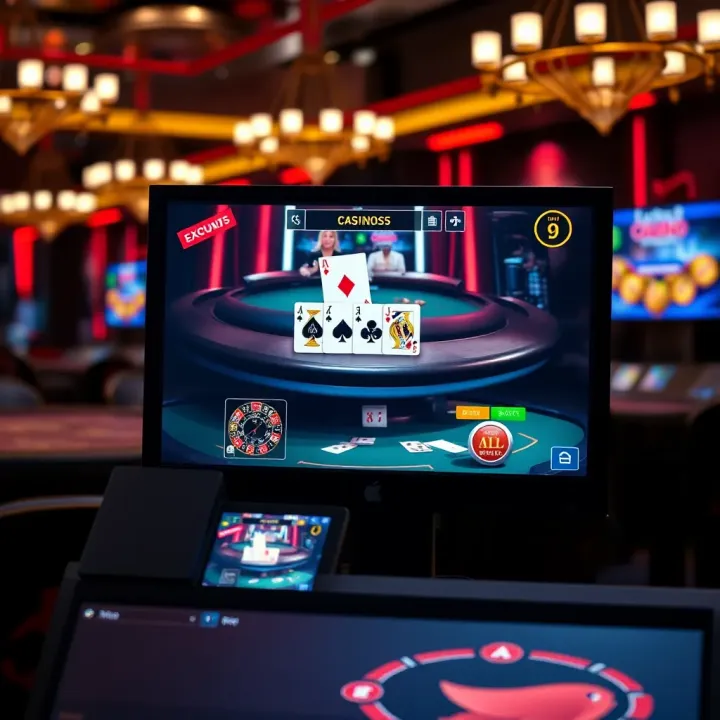
The interplay between precise technology and skilled dealers is what makes live dealer software stand out, offering an interactive and trustworthy gaming experience unmatched by traditional online slots or RNG-based games.
This hands-on approach, supported by behind-the-scenes tech, is why live dealer casinos keep growing in popularity among players seeking something closer to the casino floor without leaving home.
Identifying the key features that make live dealer casino software stand out is essential for both players and operators. These features shape how smoothly the games run, how secure the platform is, and ultimately how enjoyable the experience feels. Let’s break down some of the most important elements.
Intuitive controls play a major role in keeping live dealer games accessible. Players expect to jump into action without getting bogged down by complicated buttons or menus. For example, a clean layout where betting chips are just a click away, and game commands like “deal” or “fold” respond instantly, keeps frustration at bay. A poker game that highlights betting options clearly — without clutter — makes the whole experience feel smoother and more engaging.
Game speed and responsiveness can’t be overlooked either. Since live dealer games mimic real-time action, any lag or delay drags down player enjoyment. Imagine sitting at a blackjack table where it takes several seconds for the dealer’s card to appear after you place a bet— it’s not just annoying, it breaks immersion. High-quality software uses optimized video streams and immediate feedback loops so that card dealing, wheel spins, and player actions all flow naturally, almost like being at a physical casino.
Random number generation (RNG) is a bit less obvious in a live dealer context but still critical, especially for games that combine live elements with software-driven randomness, like shuffling or card dealing. Reliable RNGs ensure the outcomes can’t be predicted or manipulated, protecting both players and operators. Casinos often rely on independent auditors like eCOGRA or iTech Labs to verify the RNG’s integrity.
Encryption and data protection secure all communication between the player's device and the casino’s servers. Live dealer games transmit video and player data continuously, which exposes a lot of sensitive info if left unprotected. Using technologies like TLS (Transport Layer Security) and 256-bit AES encryption helps block hackers from intercepting bets, chat conversations, and personal info. For example, a site using strong encryption reassures players their funds and data remain safe even on public Wi-Fi networks.
In short, great live dealer software balances slick user interfaces and fast gameplay with rigorous security, ensuring you get an authentic, safe, and enjoyable casino experience every time.
Choosing the right live dealer software provider is key for online casinos aiming to offer a smooth, engaging player experience. These providers don’t just supply games—they ensure the streaming quality, game variety, and backend reliability that keep players coming back. They also shape the features that define live gaming, from user interface to security. Here’s a closer look at some industry heavyweights and promising newcomers.
Evolution Gaming stands out as the clear leader in live dealer software. It built its reputation on high-quality streams, realistic dealers, and a wide game selection, including blackjack, roulette, baccarat, and innovative options like "Lightning Roulette". Evolution’s studios are dotted across Europe and North America, guaranteeing top-tier production values. For casinos, Evolution’s reliability and global reach translate into fewer technical headaches and a better customer experience. Their user-friendly layouts and fast game speeds make real-time play feel second nature, even for first-timers.
Playtech offers a strong live dealer portfolio, often featuring branded games tied to popular TV shows and licensed material. They emphasize authentic dealer interactions and have invested in multiple studio environments, including casino floors that mimic the real thing. Playtech’s strength lies in combining traditional table games with live streaming, appealing to players who crave immersive aesthetics alongside tech stability. Many operators prefer Playtech for its seamless integration capabilities and extensive back-office support.
Pragmatic Play is the newer contender that quickly gained traction with its fresh design approach and mobile-first focus. Their live dealer games run smoothly on tablets and phones, reflecting how many players access casinos today. Pragmatic also pushes the envelope with new game concepts and interactive features, such as side bets and multi-camera angles. While its portfolio is smaller compared to Evolution or Playtech, Pragmatic is rapidly winning over players who want high-quality live dealing with an edge of modern flair.
Smaller providers like Ezugi, Authentic Gaming, and Vivo Gaming are carving out niches by offering unique features such as localized dealer options and regional game variants. These companies often tailor their software to specific markets, providing live streams in different languages and incorporating cultural nuances. This personalized approach gives casinos more flexibility to target and retain diverse audiences, especially in underrepresented regions.
Technological advances are also shaping the next generation of live dealer software. Adaptive streaming techniques reduce lag and keep video crisp even on slower connections, which opens up live gaming to players beyond metro hubs. AI-assisted dealer monitoring helps maintain fairness and speed, while blockchain is slowly being tested for transparent game outcomes. These tweaks don’t just improve the game—they build real trust, which is fundamental in online gambling.
The bottom line is, picking the right live dealer provider matters deeply. It affects not just game variety or looks, but the entire experience, from streaming quality to trustworthiness.
In summary, established giants like Evolution Gaming, Playtech, and Pragmatic Play deliver proven, reliable platforms that many online casinos rely on. Meanwhile, newer and smaller providers push innovation and specialization, offering fresh options for more targeted player bases. Together, they continue raising the bar on what live dealer casino software can offer.
Live dealer casinos rely heavily on clear, real-time video streams and stable connectivity to mimic the in-person casino experience online. Any hiccups in streaming quality or delays can ruin the immersion, leading to player frustration and trust issues. The technical challenges revolve largely around managing latency, providing crisp streams without buffering, and handling many players simultaneously without overwhelming the system. Operators and software developers invest in specific solutions to keep gameplay smooth and interactive.
Network optimization focuses on minimizing delays between the dealer's actions and the player's screen. Since live dealer games depend on near-instantaneous feedback, even small lag spikes can disrupt the flow. Providers use dedicated data centers positioned close to major internet hubs to cut down transmission times. For example, Evolution Gaming runs servers in clustered locations like New Jersey and Amsterdam to serve regional player bases efficiently. This physical proximity slices latency and enhances user experience.
Apart from server location, optimizing the communication protocol and using Content Delivery Networks (CDNs) helps reduce packet loss. CDNs cache and distribute video streams across multiple points, so the player’s device receives data from the nearest possible node. This setup also handles sudden traffic surges without dropping quality. On a practical level, players see fewer freezing moments or pixelation even during peak hours.
Adaptive streaming techniques adjust video quality dynamically according to the player’s internet speed. For instance, if a player has a slower connection, the software automatically lowers the video resolution to prevent buffering or lag. When bandwidth improves, the stream quality ramps back up seamlessly. This method means players rarely get stuck staring at a loading wheel.
Technologies like HTTP Live Streaming (HLS) and Dynamic Adaptive Streaming over HTTP (DASH) are commonly used to split video into chunks that can be switched out in real time based on connection strength. Without adaptive streaming, a single dip in connection speed could freeze game action or cause significant delays, which breaks the player’s trust in the platform.
Server infrastructure plays a vital role when thousands of players join tables simultaneously, especially during popular events or bonus rounds. High-performing live dealer platforms build scalable cloud-based servers that can expand capacity on demand. For example, Playtech’s systems adjust their resources automatically during heavy traffic to maintain fast response times.
A reliable infrastructure also includes redundancy features. If one server fails, backup servers immediately take over, preventing disruptions. This approach keeps games running uninterrupted no matter the player load.
Load balancing distributes the player traffic evenly across multiple servers to avoid overburdening any single machine. Without it, servers could crash or slow down as hundreds of users pile on. By intelligently routing players based on server health and geography, operators keep response times low and streaming consistent.
Real-world load balancing often involves algorithms analyzing current server loads, geographic location, and even player device capabilities. This strategic division helps platforms stay stable, deliver smooth video, and provide quick interaction times even during peak use.
Without strong technological solutions to handle latency, streaming quality, and user volume, the live dealer experience risks feeling laggy or unreliable, driving players away. Thoughtful network design and scaling tactics are essential to making online live casinos enjoyable and trustworthy.
Live dealer software significantly improves the player experience by combining the convenience of online gaming with the social and immersive elements of a traditional casino. Its design focuses not only on gameplay but also on creating an atmosphere that keeps players engaged and entertained.
Chat options play a big role in bringing the social aspect into online gaming. Unlike regular online slots or RNG-based games, live dealer platforms offer chat windows where players can interact with the dealer and sometimes with other players at the table. This feature helps break the isolation often felt in online gambling. For example, a blackjack player can ask the dealer questions or comment on the game, creating a casual and friendly environment similar to a physical casino.
Beyond casual chitchat, this interactivity can build trust and transparency. When dealers answer questions or respond to players’ comments in real-time, it assures players the game runs fairly. Many platforms also let dealers read chat quickly and engage directly, which boosts the sense of authenticity.
Authenticity in dealer interactions matters a lot for replay value. Automated or scripted responses just don’t cut it. Live dealer software emphasizes real human dealers who speak naturally, handle chips, and manage the game with genuine emotions. This subtle human touch influences how players perceive the casino's fairness and professionalism. For instance, dealers on Evolution Gaming or Playtech tables often greet players by name or respond to specific comments, mimicking the personal atmosphere found in brick-and-mortar casinos.
Availability on multiple devices ensures players can enjoy live dealer games wherever they are, whether on desktop, tablet, or cell phone. Modern live dealer software is built to adapt smoothly across screen sizes without sacrificing video quality or interactive features. This flexibility means a player can switch from a home computer to a smartphone and pick up the game without any hassle. This accessibility expands the player base and fits busy lifestyles.
Playing live dealer games anytime and anywhere offers unmatched convenience compared to traditional casinos. There's no need to factor in travel time, dress codes, or casino operating hours. For example, a player waiting at an airport or relaxing at a café can easily join a live blackjack game. Many providers offer 24/7 streaming, allowing action at odd hours suited to global players. This round-the-clock availability transforms gambling from a planned event into an on-demand experience.
The bottom line is live dealer software merges hardcore gaming tech with real human interaction, making online casinos feel less digital and more personal. This mix shapes the future of online gambling by making it both engaging and accessible.
Overall, live dealer platforms bring a balance of social connection, realistic gameplay, and flexible access that sets them apart from other online gambling methods.
🎲 Experience live dealer blackjack with real-time action! Learn how it works, tech behind it, top platforms, and tips to boost your game & winning chances!🃏

🎰 Get the lowdown on Spinago Casino: game variety, payment options, bonuses, security and support, all tailored with Aussie players in mind for a reliable experience.
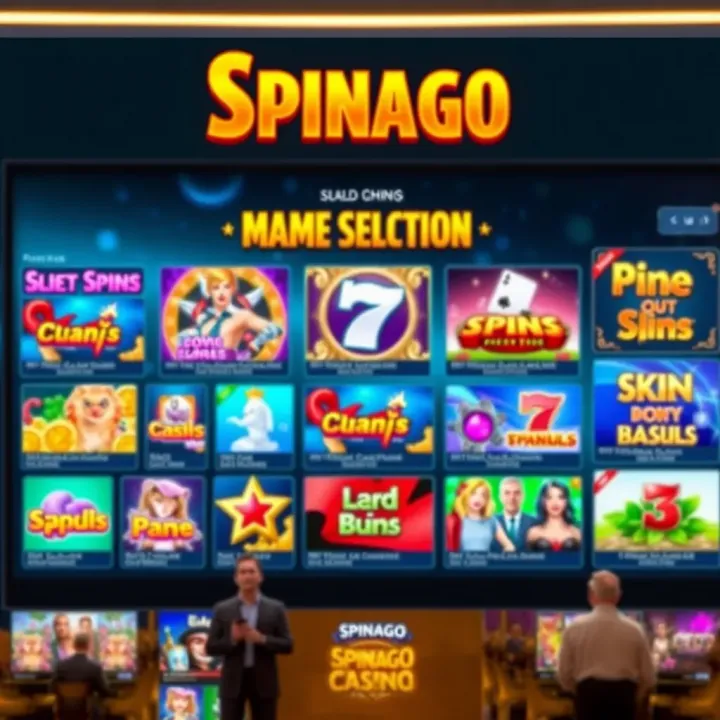
🎰 Get the lowdown on Spinago Casino – registration tips, game choices, promos, banking methods, and savvy customer support insights for Aussie players.
Explore Spinago Casino 12 🎰 with an honest look at its games, generous bonuses, user-friendly interface, strong security, and how well it works on mobile for Aussie players 🇦🇺.
Based on 13 reviews